Semester of Illustrating Mathematics at IHP
I spent Spring 2026 in Paris at the Institute Henri Poincare, participating in the semester program Illustration as a Mathematical Research Technique. Here’s a bunch of things I did!
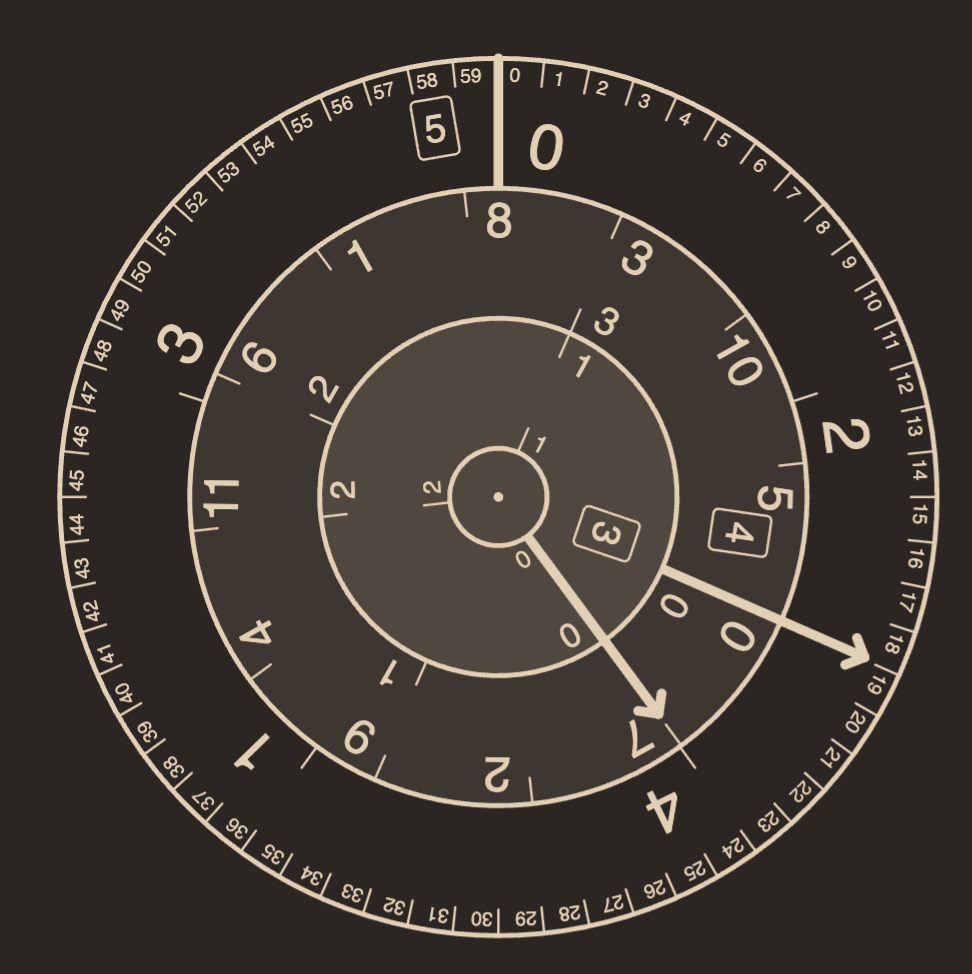
Sun's dial
Summary:
A mechanical mechanism for solving systems of modular equations, implementing Sunzi’s remainder theorem.
A hyperbolic pinata
Summary:
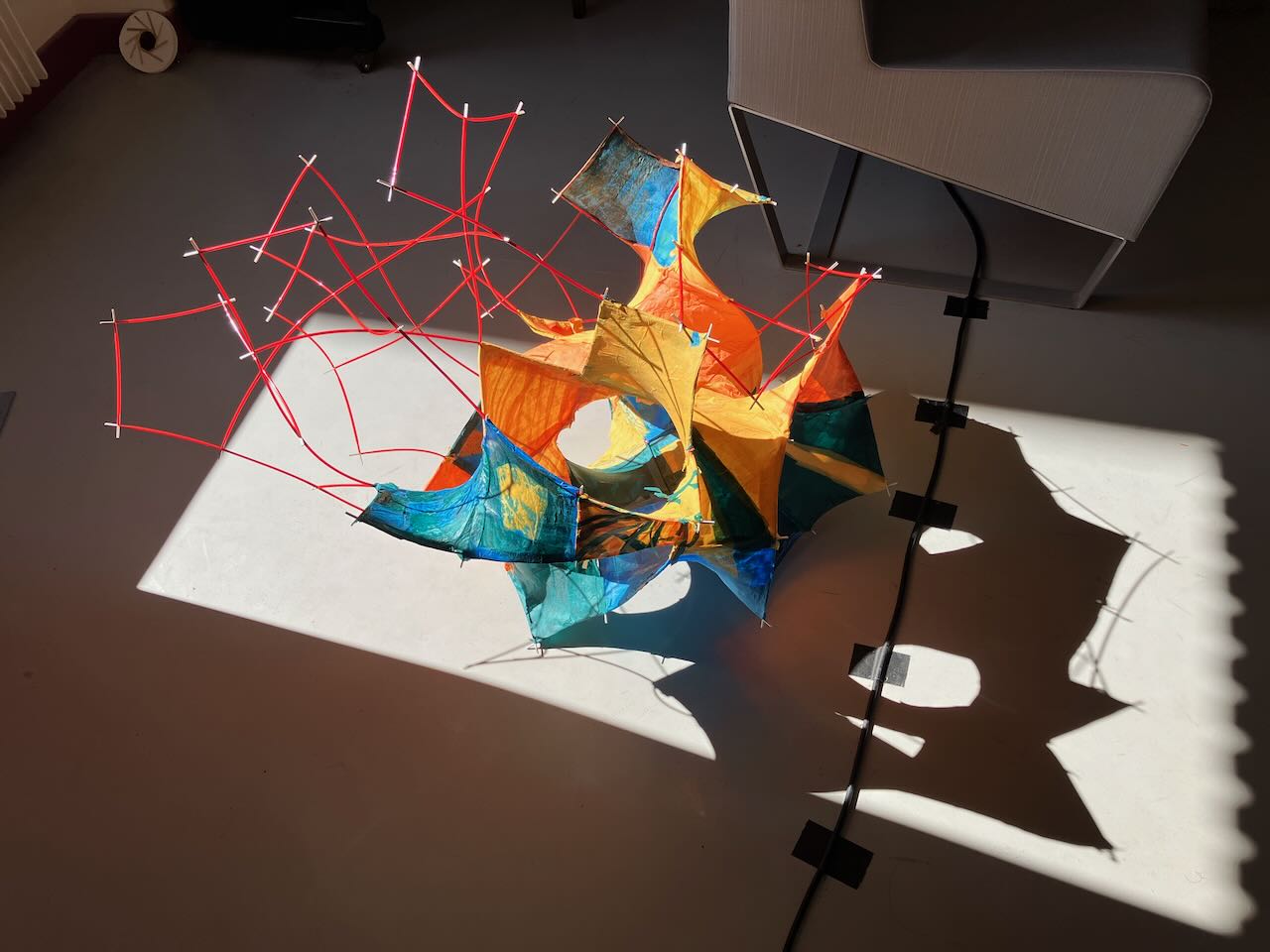
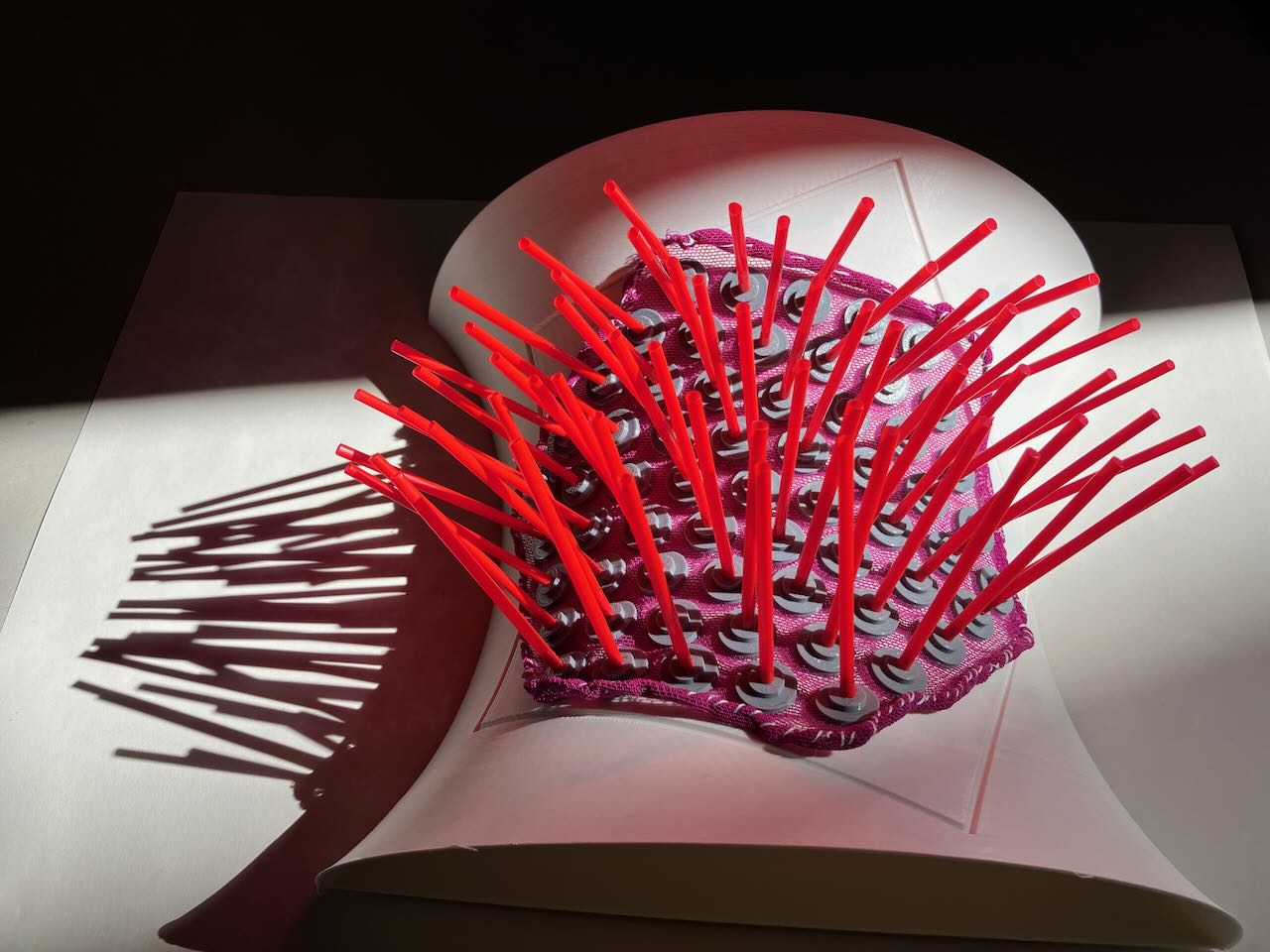
Using plastic coffee stirrers and tile spacers, one can quickly produce large polyhedra. We used this to make a hyperbolic plane, then covered it with hyperbolic paper.
Normal cloth
Summary:
A fabric made of normal vectors. Stretch it across a surface, and see the normal vectors.
Visions of the complex projective plane
Summary:
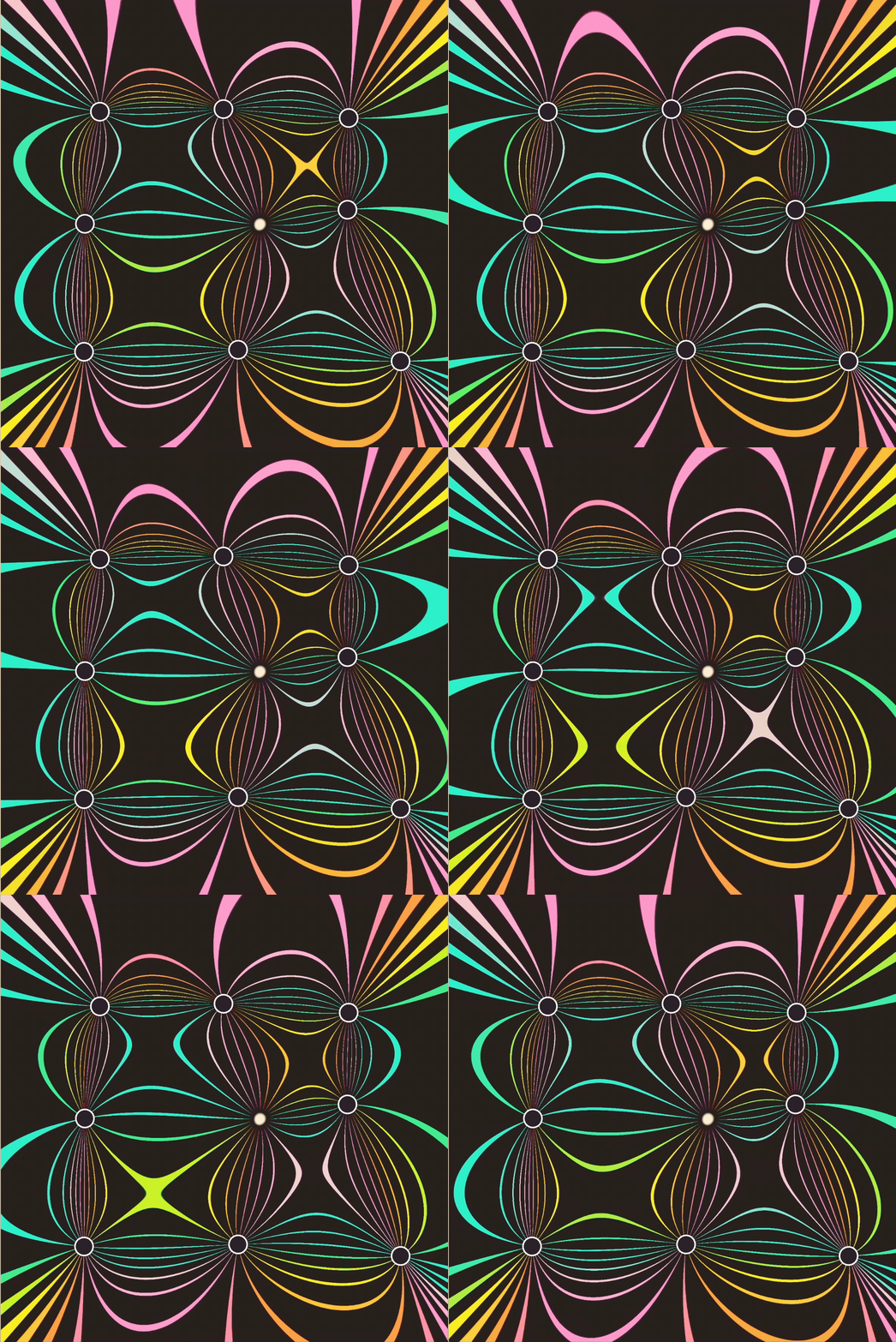
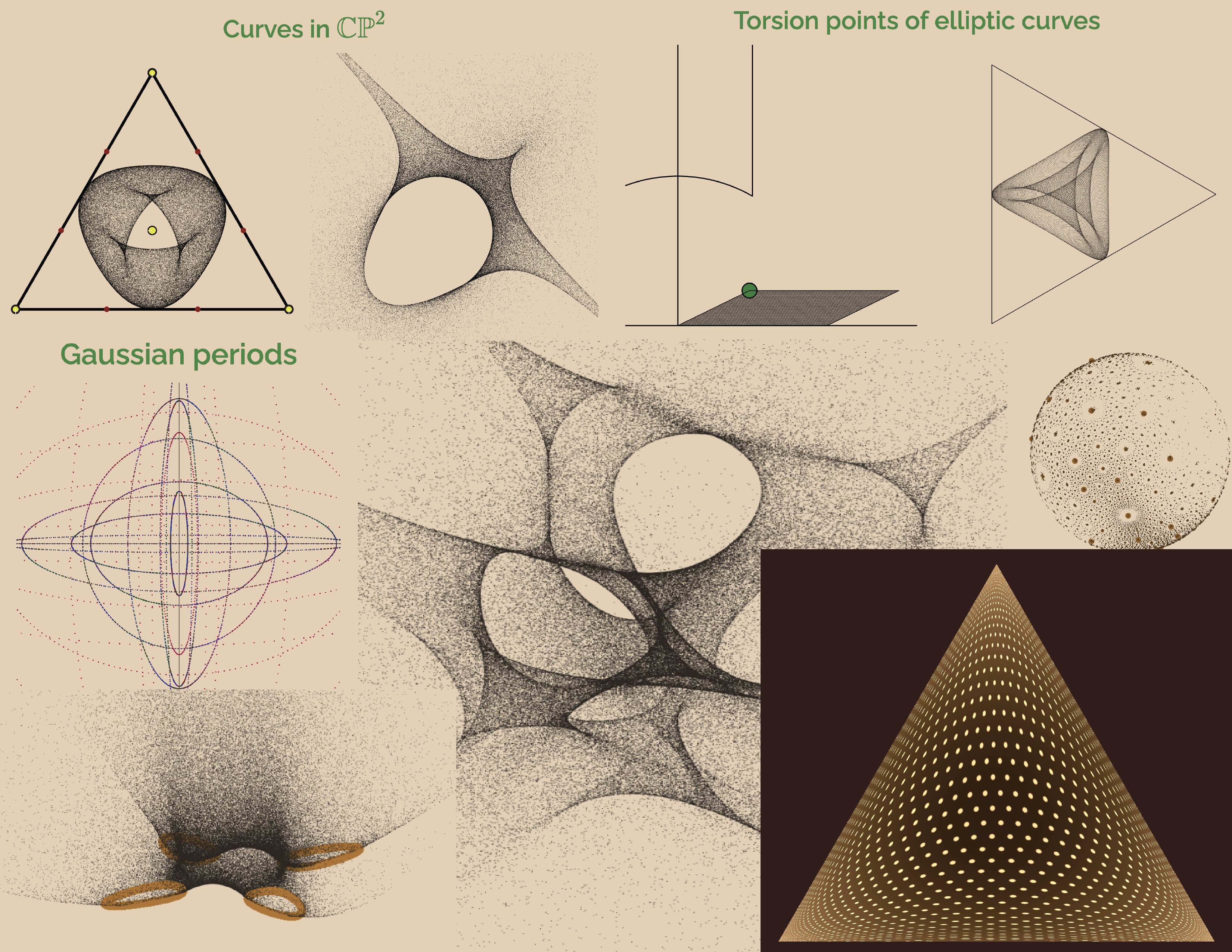
A collection of visualizations around the complex projective plane $\mathbb{CP}^2$.
Curved origami and tangent developables
Summary:
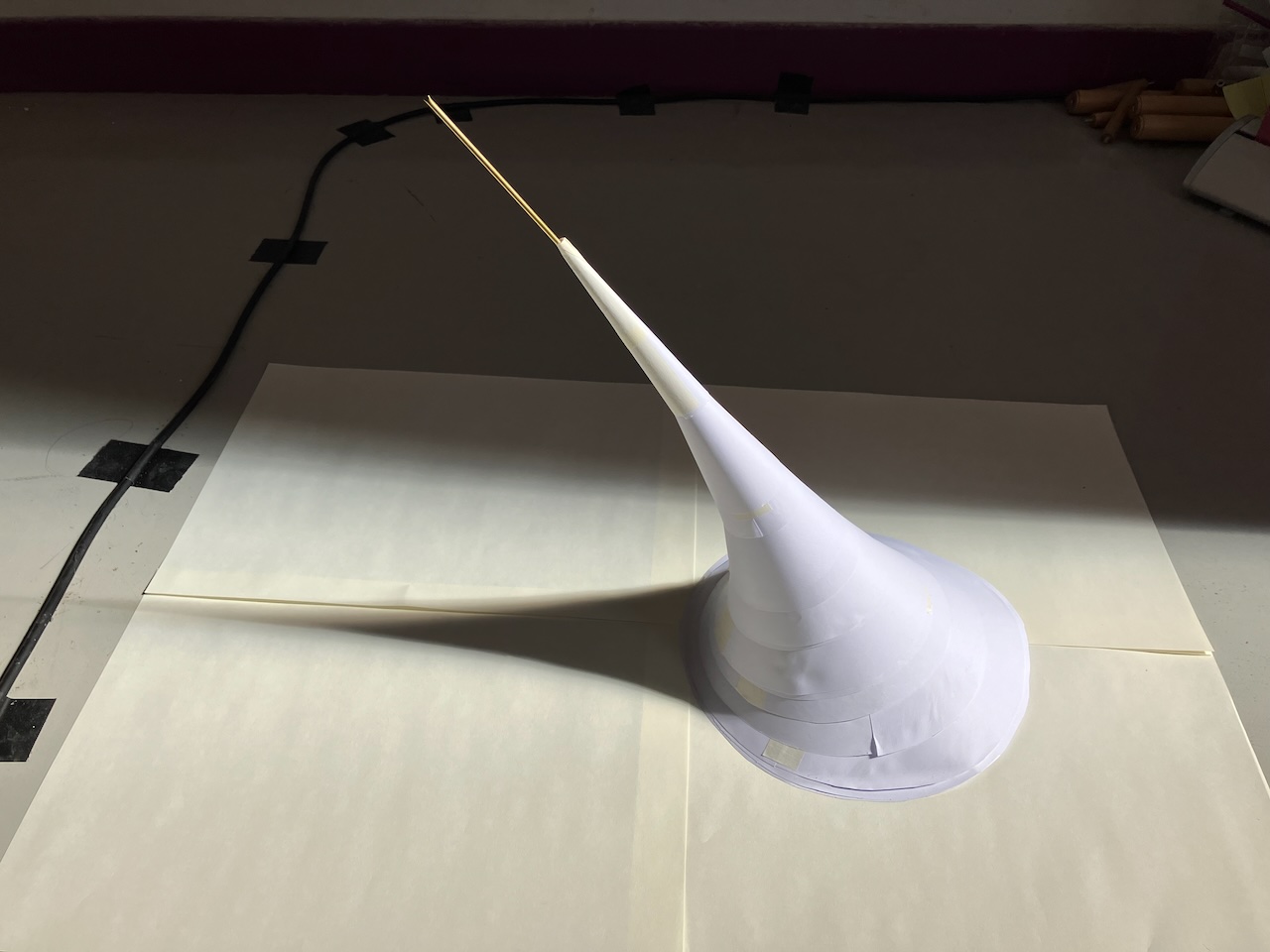
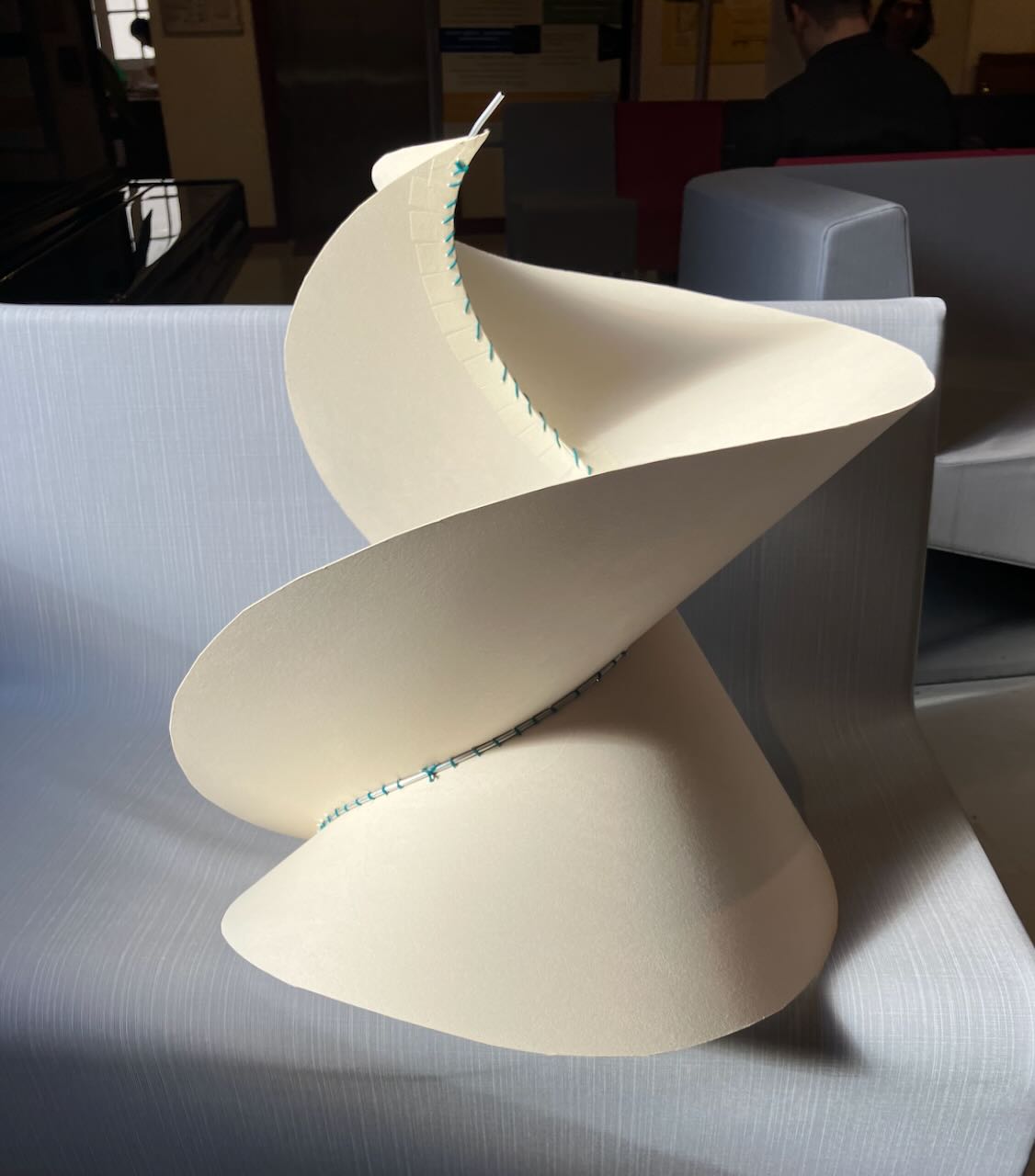
I made a lot of things out of paper over the trimester. I describe some of the mathematics of developable surfaces, which are the surfaces you can make from paper. Along the way, I describe how to make many cool shapes.
The shape factory
Summary:
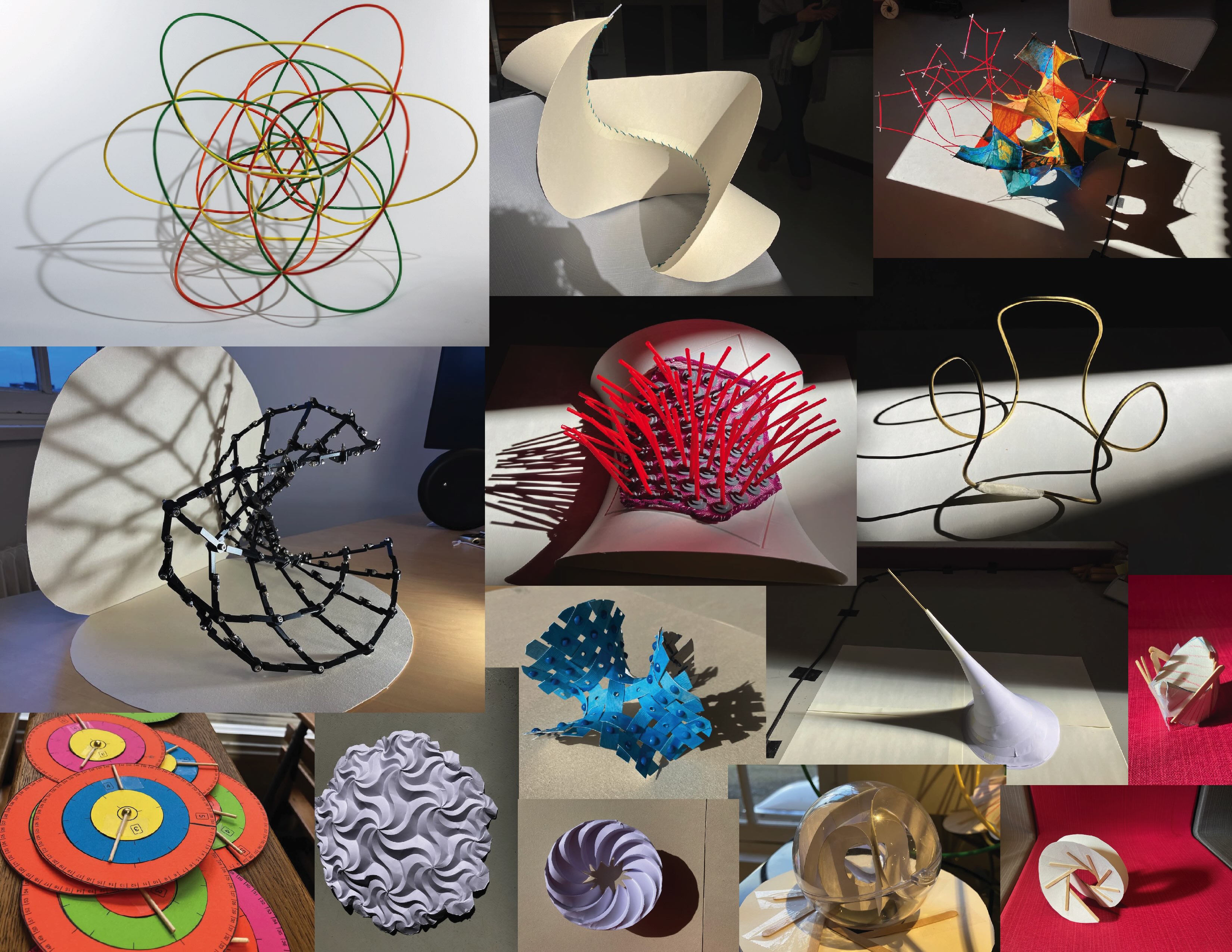
When my friends asked what I was up to in paris, I’d respond “I’m working in the shape factory”. I spent much of the time sitting on the floor, making things out of paper. Here’s a collection of shapes I made while at IHP.
Drawing club
Summary:
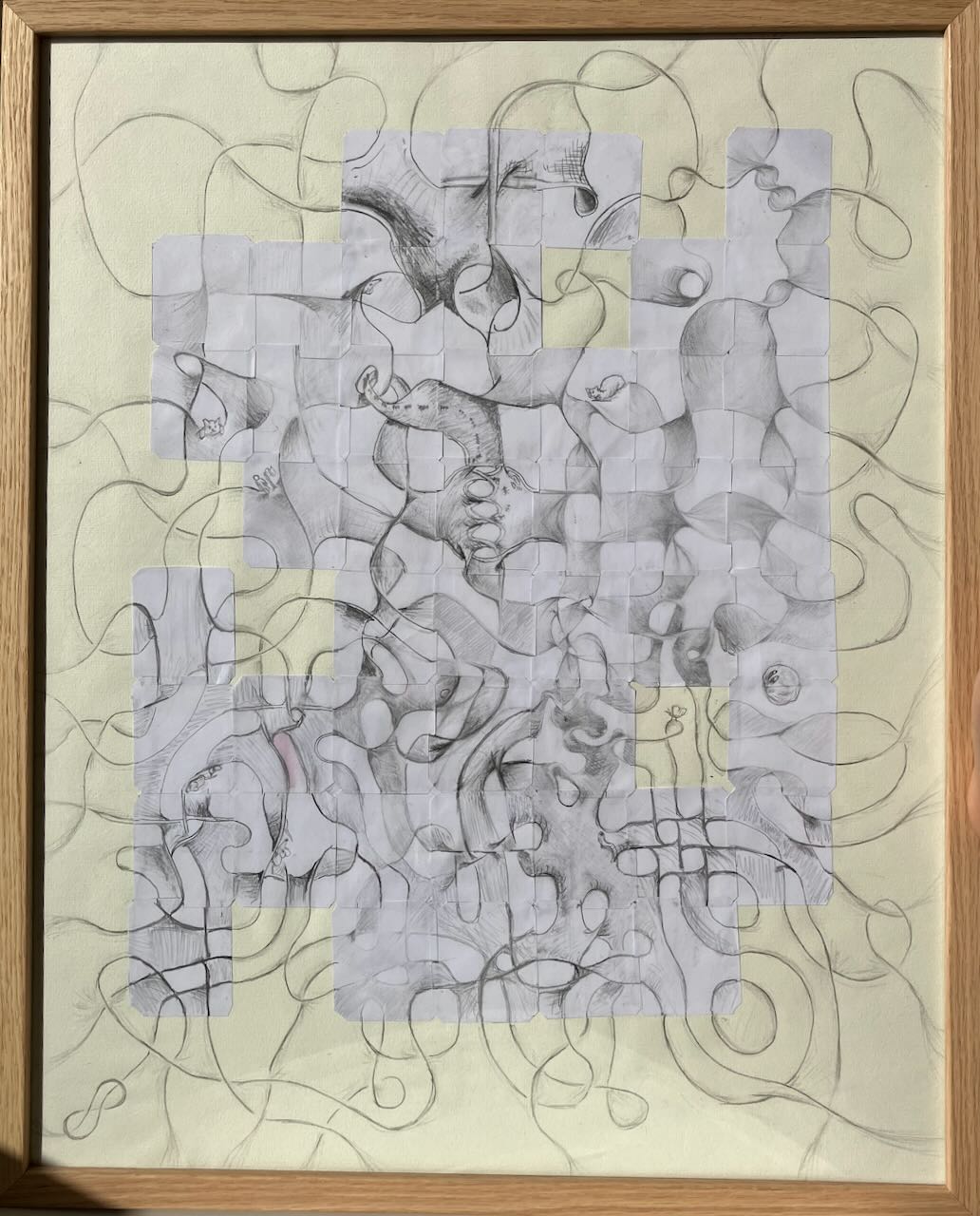
I ran a mathematical drawing class over the trimester. Click to see the activities for each week. I’ve linked a compilation of all the worksheets from the trimester.
🔗 Link to file
Wunderlich's web
Summary:
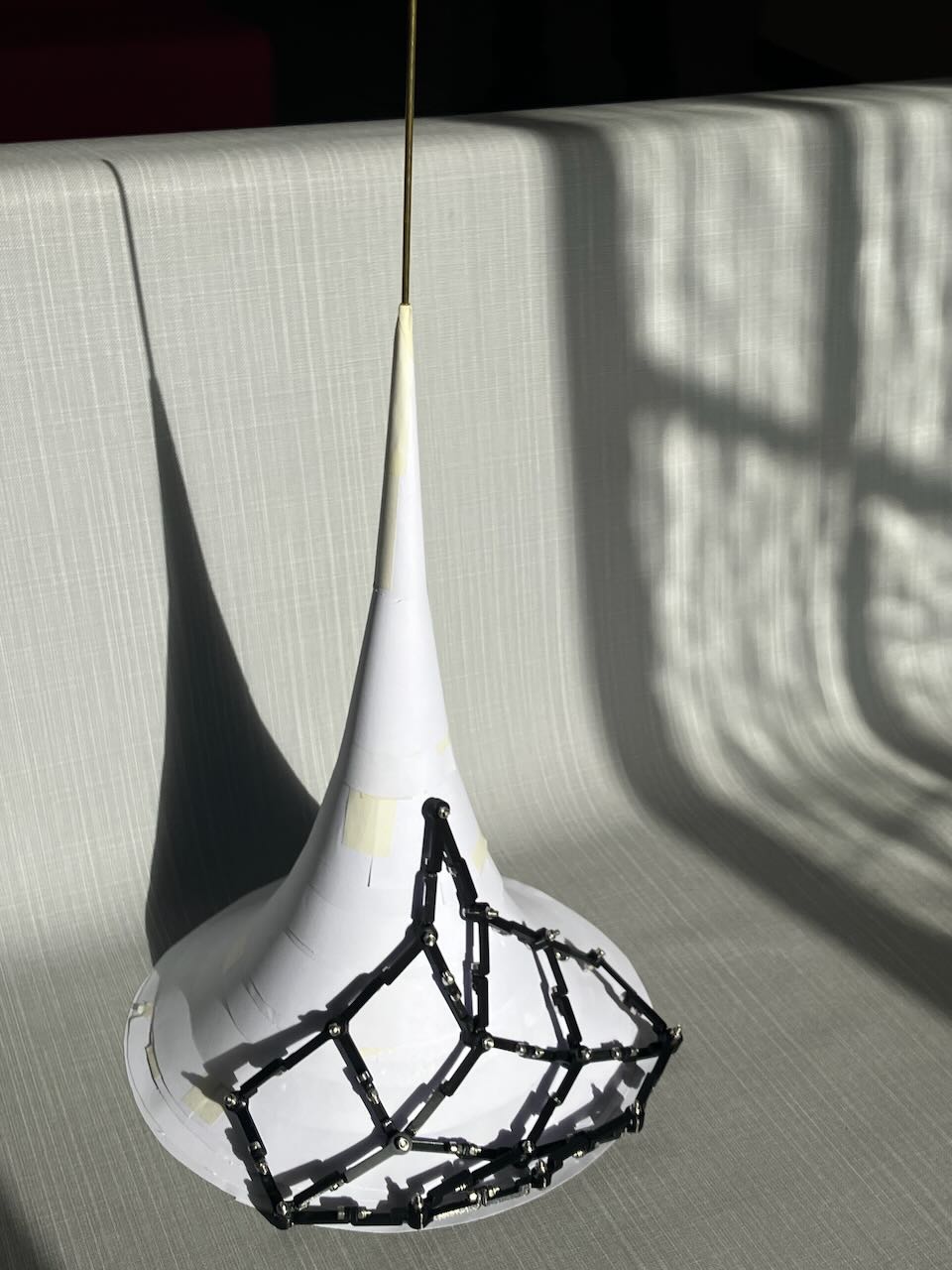
A discrete model of a surface of constant negative curvature. This illustrates Hilbert’s proof that there is no complete, immersed hyperbolic plane in Euclidean 3-space
Is math big or small?
Summary:
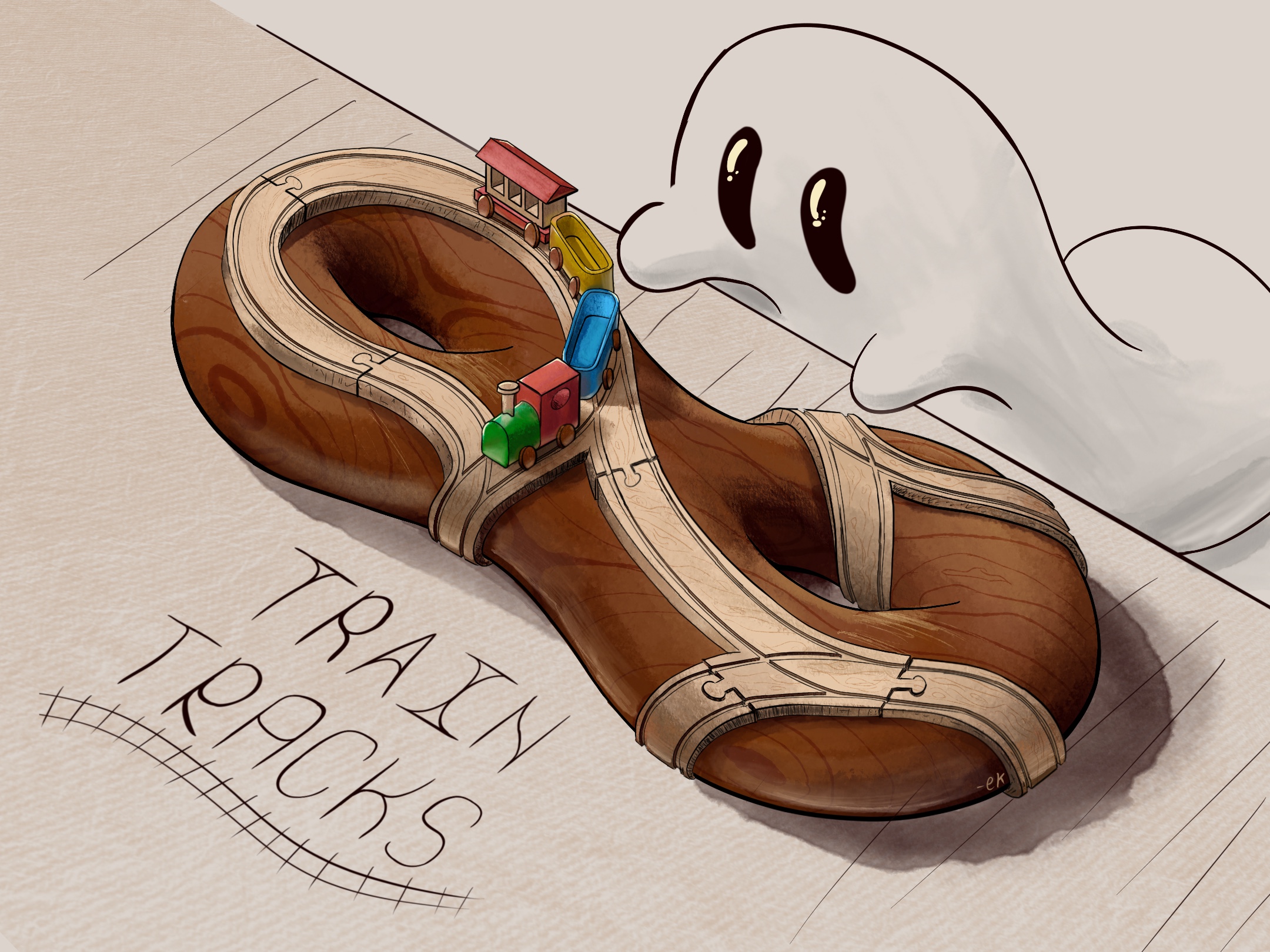
When Illustrating a mathematical idea, the first thing you need to decide is the scale. Is this concept something you can hold in your hand, or something to wander around in? I will reflect on the scale of various analogies used by research mathematicians, such as Thurston’s train tracks and pictures of symplectic manifolds. Topologists use the metaphors of “geography” and “botany” to organize problems in their field. I will argue that geography and botany are flexible analogies, which give a natural scale for mathematical illustrations.
Presented at:
- Rigorous Illustrations - Their creation and evaluation for mathematical research, IHP trimester on mathematical illustration
🔗 Link to file